January 1, 2022
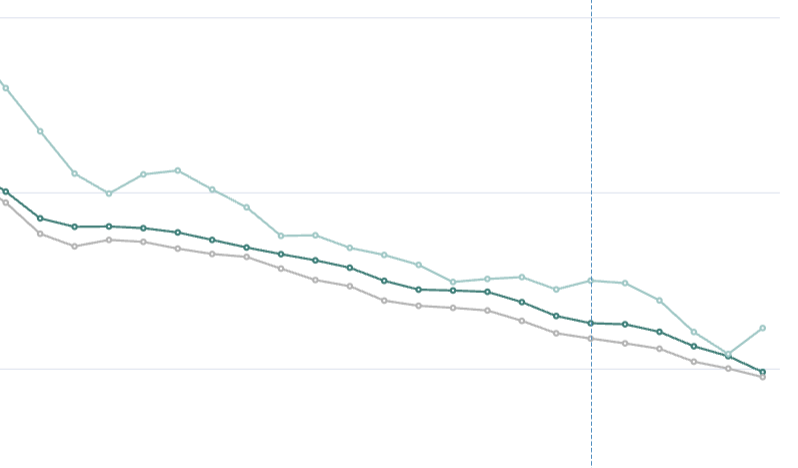
Report: Justice Reform and Crime Rates 2022
Overview: Since the early 2000’s, 40 US states have passed criminal justice reform legislation, often formally called the Justice Reinvestment Initiative (JRI). These reforms, while varying by state, aim to improve system performance while controlling costs. Research Question: Critics of justice reform initiatives often argue that the “softer” policies in these reforms may negatively impact public safety, with recent concerns
January 1, 2022
Report: Nonjudicial Adjustments Juvenile Financial Sanctions 2022
The work of the Utah Juvenile Justice Working Group laid the foundation for research-based, data-driven policy changes. Moving forward, the state could benefit from making efforts to: 1) understand and adopt research-based approaches to generate positive outcomes for youths diverted from a petition via an NJA, and 2) ensure that NJA practices are implemented with substantial fidelity and quality. As
January 1, 2022
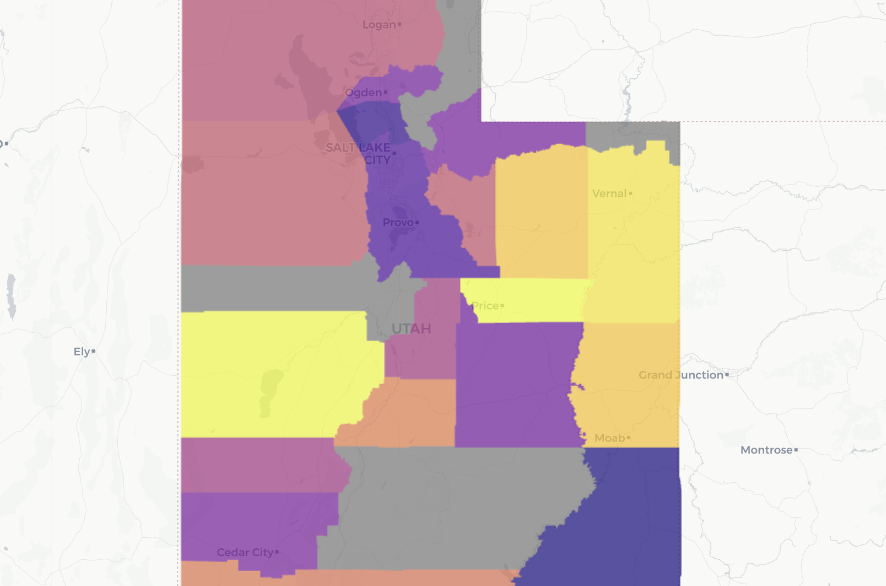
Dashboard: Juvenile Non-Judicial Adjustments in Utah 2022
This data dashboard summarizes the key empirical findings from the full report, Nonjudicial Adjustments Juvenile Financial Sanctions: A Guide for Policy and Reform for Pretrial Diversion in Utah’s Juvenile Justice System.Explore the dashboard:NJA Dashboard▸Utah’s NJA ProcessJuvenile justice reform policies in 2017 included criteria for offering youths nonjudicial adjustments (NJA). NJAs are agreements between a youth, their parent or guardian, and

January 1, 2022
Juvenile Justice 2022 Annual Report
This sixth annual report provides an update on juvenile justice reform policies that were passed in Fiscal Year (FY) 2017 and subsequent years. Policy changes focused on preventing deeper involvement in the juvenile justice system for lower level youths, protecting the community by focusing system resources on youths who pose the highest risk to public safety, and improving outcomes through

January 1, 2022
Report: Utah Youth to Adult Offending Pathway Study 2022
Like many other states, Utah invests substantial resources in its juvenile justice system to address delinquent behavior. The goal of these efforts is to address and correct delinquent behavior among youth to prevent further criminal behavior as they mature into adults. Up to this point, Utah has lacked a mechanism for determining the share of juvenile justice-involved youth that reaches
January 1, 2021
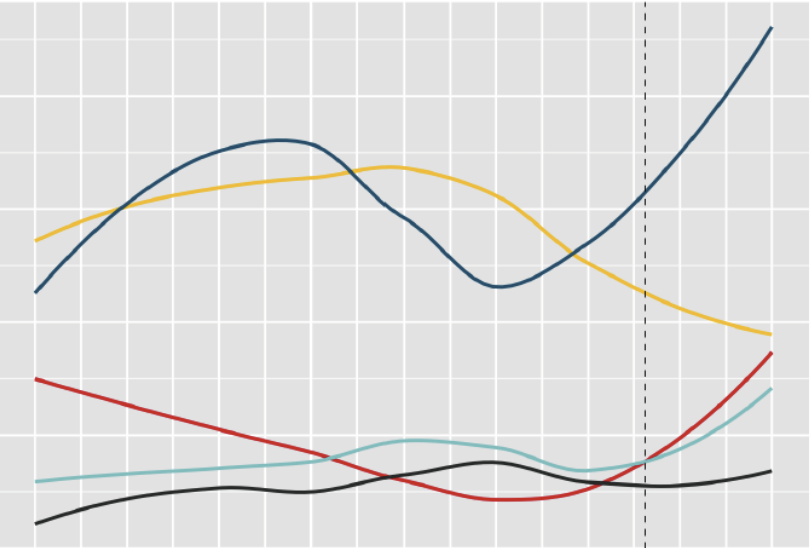
Research Brief: Task Force on Community Supervision 2020
Introduction Over the last five years, Utah has analyzed its criminal justice system and focused considerable attention on the drivers of its prison population. Now, the areas of probation and parole are taking a more prominent role in reform conversations as stakeholders recognize the impact that supervision populations have on their prison populations as well as in the community. This

January 1, 2021
Research Report: Evaluating the Early Public Safety Impact on Davis County Jail Diversion Program 2021
Overview: Introduced in December of 2019, the Davis County jail diversion program aims to provide an alternative to traditional arrest or citation for adults who have engaged in certain lower-level drug crimes and misdemeanor offenses. Instead of traditional paths, the program allows referral to appropriate treatment services to avoid the stigmatizing and often costly criminal justice track. Research Question: Critics

January 1, 2021
Research Brief: Jail Diversion Evaluation Summary 2021
Overview: Introduced in December of 2019, the Davis County jail diversion program aims to provide an alternative to traditional arrest or citation for adults who have engaged in certain lower-level drug crimes and misdemeanor offenses. Instead of traditional paths, the program allows referral to appropriate treatment services to avoid the stigmatizing and often costly criminal justice track. Critics of jail
January 1, 2021
Reports: Nonjudicial Adjustments Systematic Review & Internal Evaluation 2021
The work of the Utah Juvenile Justice Working Group laid the foundation for research-based, data-driven policy changes. Moving forward, the state could benefit from making efforts to: 1) understand and adopt research-based approaches to generate positive outcomes for youths diverted from a petition via an NJA, and 2) ensure that NJA practices are implemented with substantial fidelity and quality. As
January 1, 2021
Juvenile Justice 2021 Annual Report
This 5th annual report provides an update on juvenile justice reform policies that were passed in Fiscal Year (FY) 2017 and subsequent years. Policy changes focused on preventing deeper involvement in the juvenile justice system for lower level youths, protecting the community by focusing system resources on youths who pose the highest risk to public safety and improving outcomes through